15SEP2026
YouTube Watch Time vs Subscribers: Which Matters More for Growth and Monetization?
Table of Contents
Watch time is more important for growth. But subscribers are still important for monetization and trust. Watch time tells YouTube that people are not just clicking your video. They are staying, watching, and giving your content the real attention it deserves. That is a strong signal.
Subscribers work a little differently. They show that people want to follow your channel. They help build a loyal audience. They also make your channel look more trustworthy to new viewers.
So, you need both strategically! Why and how? Let’s get a closer look.
What Is YouTube Watch Time?
YouTube watch time is the total amount of time people spend watching your videos. Every minute a viewer watches adds to your channel's overall watch time. That makes it one of the most important metrics YouTube uses to measure content performance.
Watch time shows how long people stay engaged.
But if you have 10,000 views, that doesn't necessarily mean it's successful if most viewers leave after a few seconds. That's why YouTube values watch time more than view count alone.
How Does YouTube Calculate Watch Time?
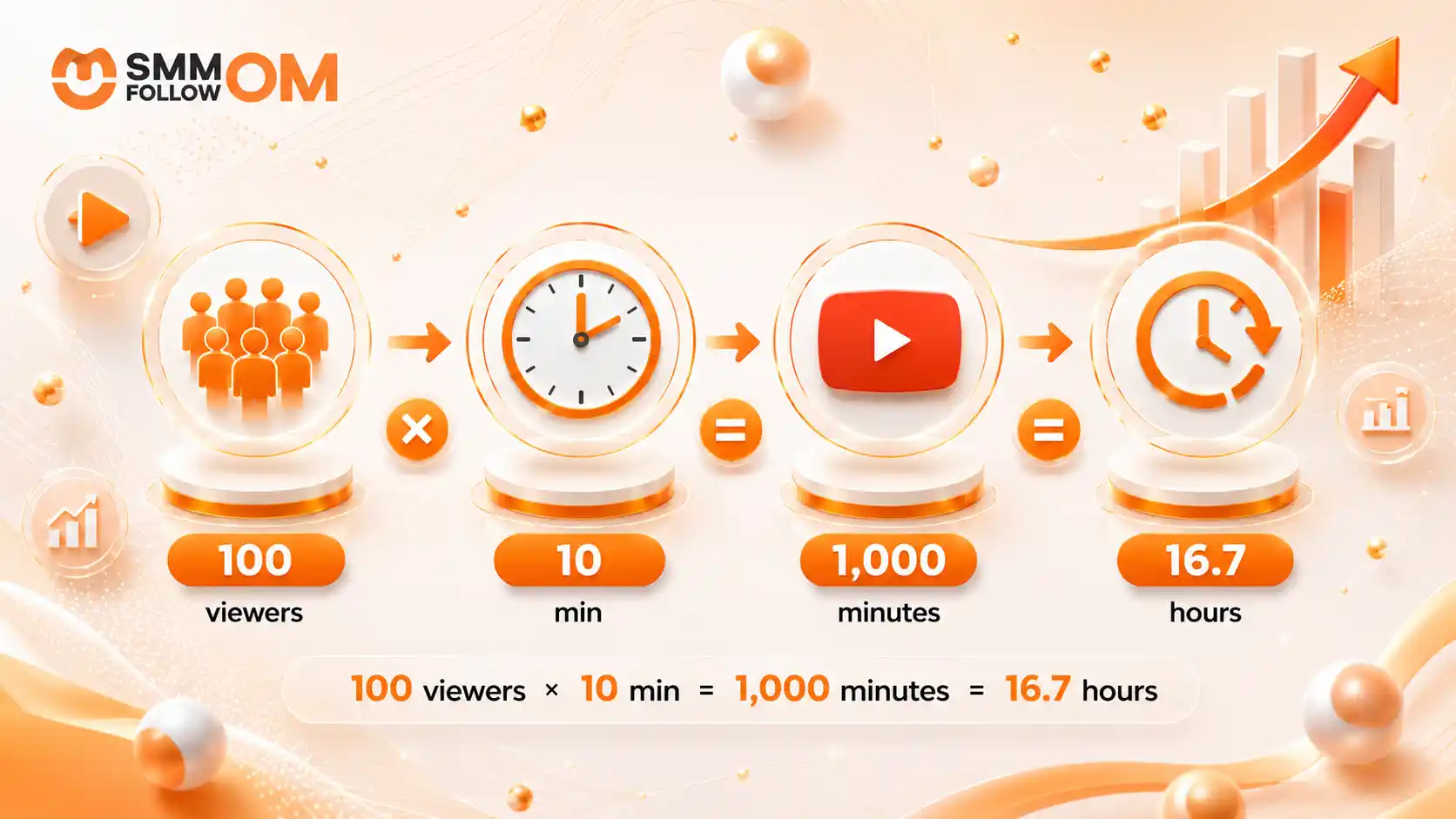
YouTube adds up the minutes watched across all your eligible videos. For example, if 100 people each watch a 10-minute video to the end, your channel earns approximately 16.7 hours of watch time.
For monetization, YouTube specifically looks at public watch hours earned from long-form videos and eligible live streams within the last 12 months.
What Counts Toward Watch Time?
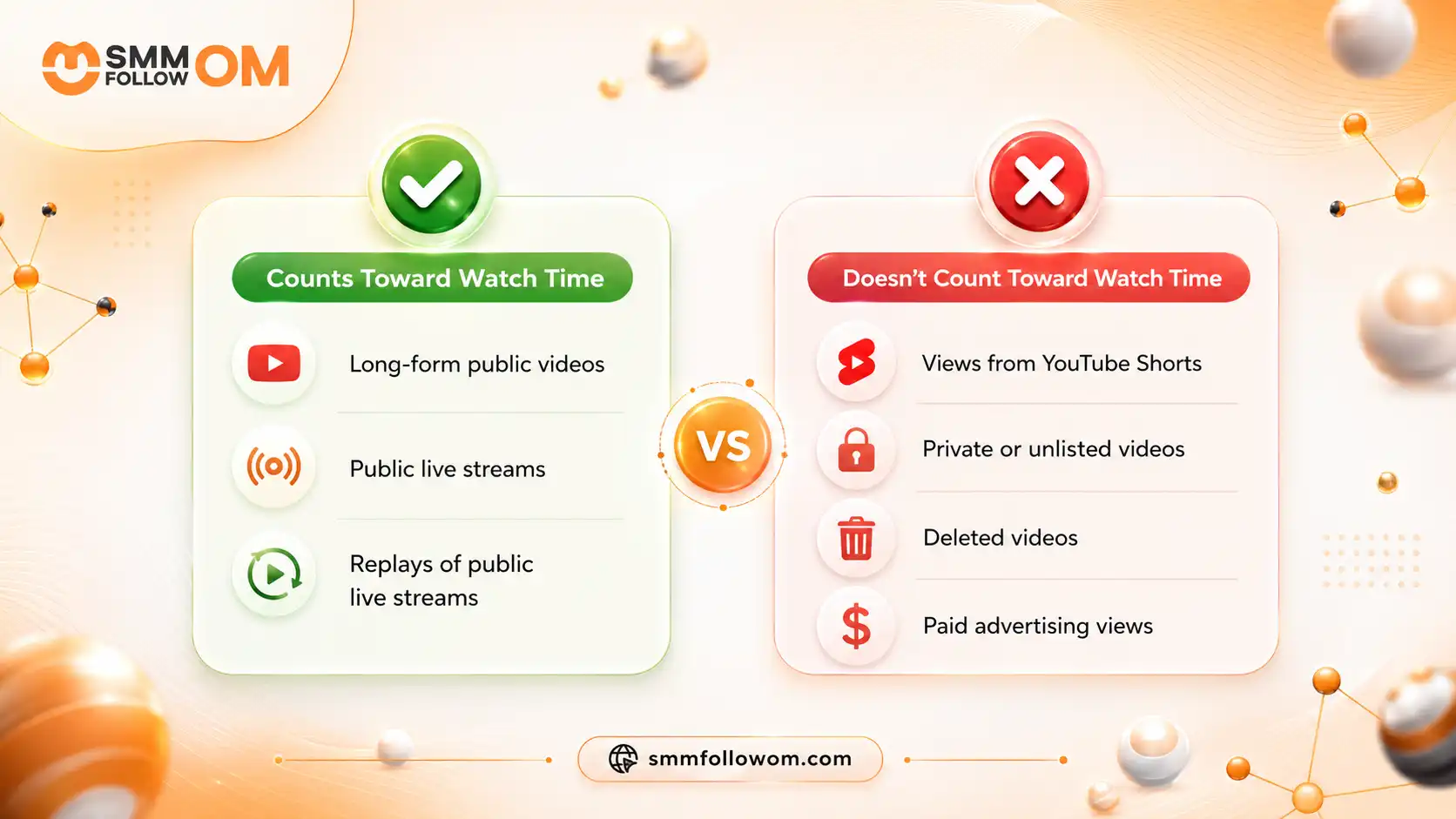
Most public viewing activity contributes to your watch time, including:
- Long-form public videos
- Public live streams
- Replays of public live streams
What Doesn't Count Toward Watch Time?
Not every minute watched is eligible for monetization.
The following generally don't count toward the 4,000 public watch hours:
- Views from YouTube Shorts
- Private or unlisted videos
- Deleted videos
- Paid advertising views
Why Watch Time Matters
Watch time is one of the strongest signals that viewers find your content valuable. The longer people stay on your videos, the more likely YouTube is to recommend them to others.
It also plays a key role in monetization. To join the YouTube Partner Program, creators typically need 1,000 subscribers and 4,000 valid public watch hours within the past 12 months.
What Are YouTube Subscribers?
YouTube subscribers are people who choose to follow your channel because they want to see more of your content. When someone subscribes, they're more likely to receive notifications about your new uploads. So, they can return to your videos.
While subscriber count is often seen as a sign of a channel's popularity, it doesn't guarantee views. A channel with fewer subscribers can still outperform a much larger one if its videos keep viewers engaged.
How do subscribers help a Channel Grow?
Subscribers create a loyal audience that comes back for new content. Those early views, likes, and comments can signal to YouTube that a video is worth recommending to more people. This is why channels with an active subscriber base often gain momentum faster after publishing a video.
Do Subscribers Increase Views?
Not always. A large subscriber count doesn't automatically translate into high view counts. In fact, many successful videos receive a significant share of their views from non-subscribers through YouTube Search, Home, and Suggested Videos.
Subscribers help with your initial reach. But the algorithm ultimately favours videos that keep viewers watching.
YouTube Watch Time vs Subscribers: What's the Difference?
The biggest difference is that watch time measures how long people stay engaged with your videos, while subscribers measure how many people choose to follow your channel for future content.
Which Impacts the YouTube Algorithm More: Watch Time Or Subscribers?
Watch time has a much bigger impact on the YouTube algorithm than subscribers.
YouTube's goal is to keep people on the platform for as long as possible. That's why it pays more attention to signals that show viewers are actually enjoying your content, such as:
- Watch time– How many total minutes or hours people spend watching your videos.
- Audience retention– How much of each video viewers watch before leaving.
- Average view duration– The average amount of time each viewer spends watching.
- Viewer satisfaction– Signals like likes, comments, shares, and survey feedback.
Subscribers are still valuable because they help you build a loyal audience and can generate more views when you upload a new video. However, having a large subscriber count doesn't guarantee that YouTube will recommend your videos.
So, if your goal is to rank higher in YouTube Search and get recommended more often, focus on increasing watch time and audience retention.
Which One Do You Need More To Get Monetization?
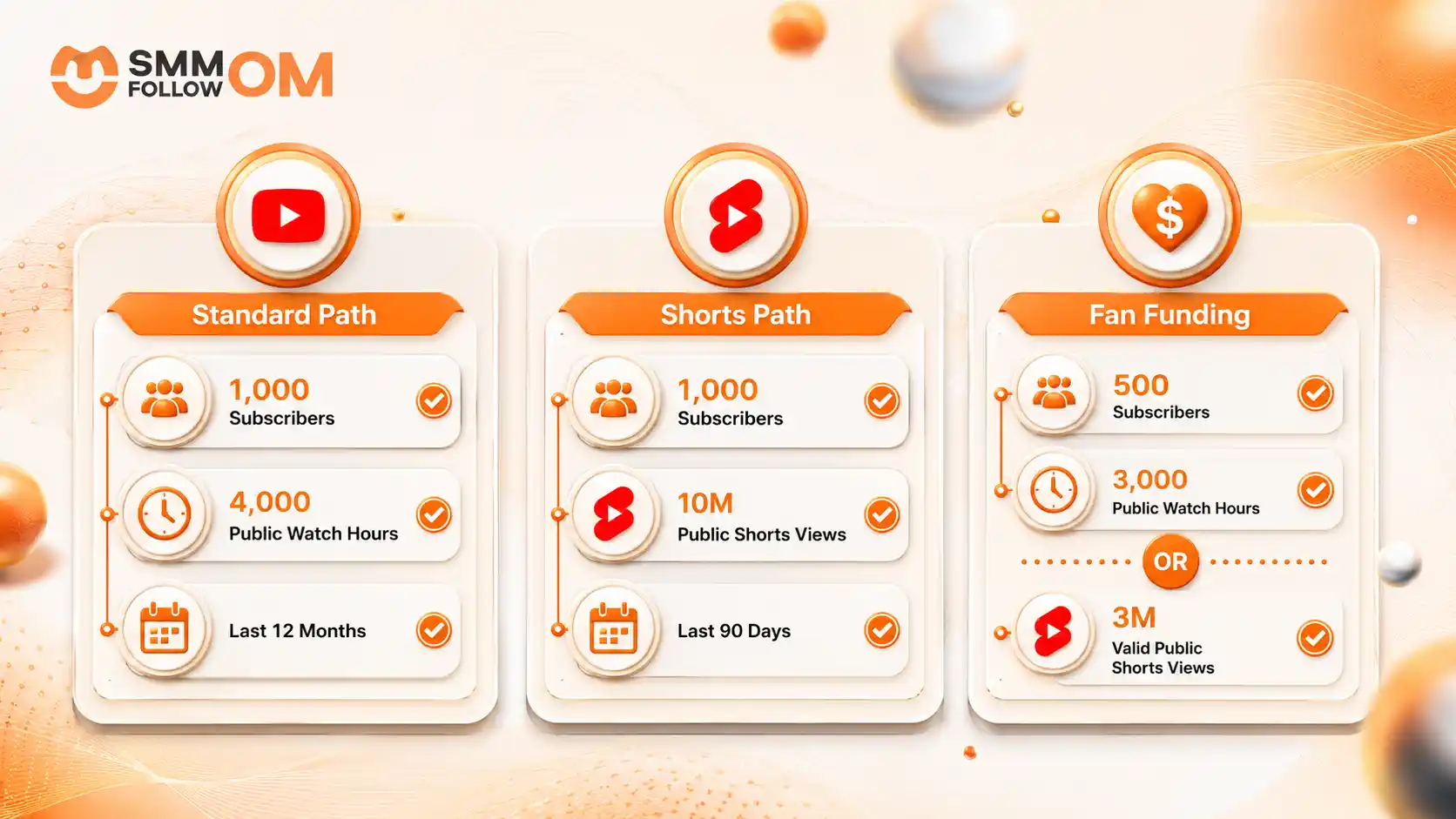
Well, you need both watch time and subscribers to qualify for the YouTube Partner Program. One can't replace the other. To become eligible for monetization, you generally need:
- 1,000 subscribers
- 4,000 public watch hoursearned in the last 12 months
Or, if you're following YouTube's alternative path, you can qualify with:
- 1,000 subscribers
- 10 million public Shorts viewsin the last 90 days
The point is, even if you reach 4,000 watch hours but only have 500 subscribers, you won't be eligible. Likewise, if you want to get fan funding from your audience, then you need 500 subscribers and 3,000 public watch hours or 3 million valid public Shorts views.
If you decide to speed up the subscriber side, make sure you know how to choose the best SMM panel first.
So, while both metrics matter for monetization, watch time is usually the harder milestone to achieve. That’s why many creators spend more time focusing on improving it.
How Long Does It Take to Reach 4,000 YouTube Watch Hours?
Some creators reach 4,000 public watch hours in a few months, while others may take a year or longer.
It depends on factors like your niche, upload consistency, audience retention, and how well your videos perform in YouTube's recommendations. The easiest way to find out is with this simple formula:
Time to Reach 4,000 Watch Hours = 4,000 ÷ Average Watch Hours Earned Per Week (or Month)
For example:
- If you earn 100 watch hours per week, it will take about 40 weeks (4,000 ÷ 100).
- If you earn 250 watch hours per week, it will take around 16 weeks.
- If you earn 500 watch hours per week, you'll reach the goal in about 8 weeks.
The timeline varies from one channel to another. Creators who publish consistently, keep viewers engaged, and produce evergreen content usually reach the milestone much faster than those who focus only on uploading more videos.
How to Increase Watch Time and Subscribers at the Same Time?
The good news is that you don't need 2 separate strategies. The same practices that increase watch time often help you gain more subscribers as well like:
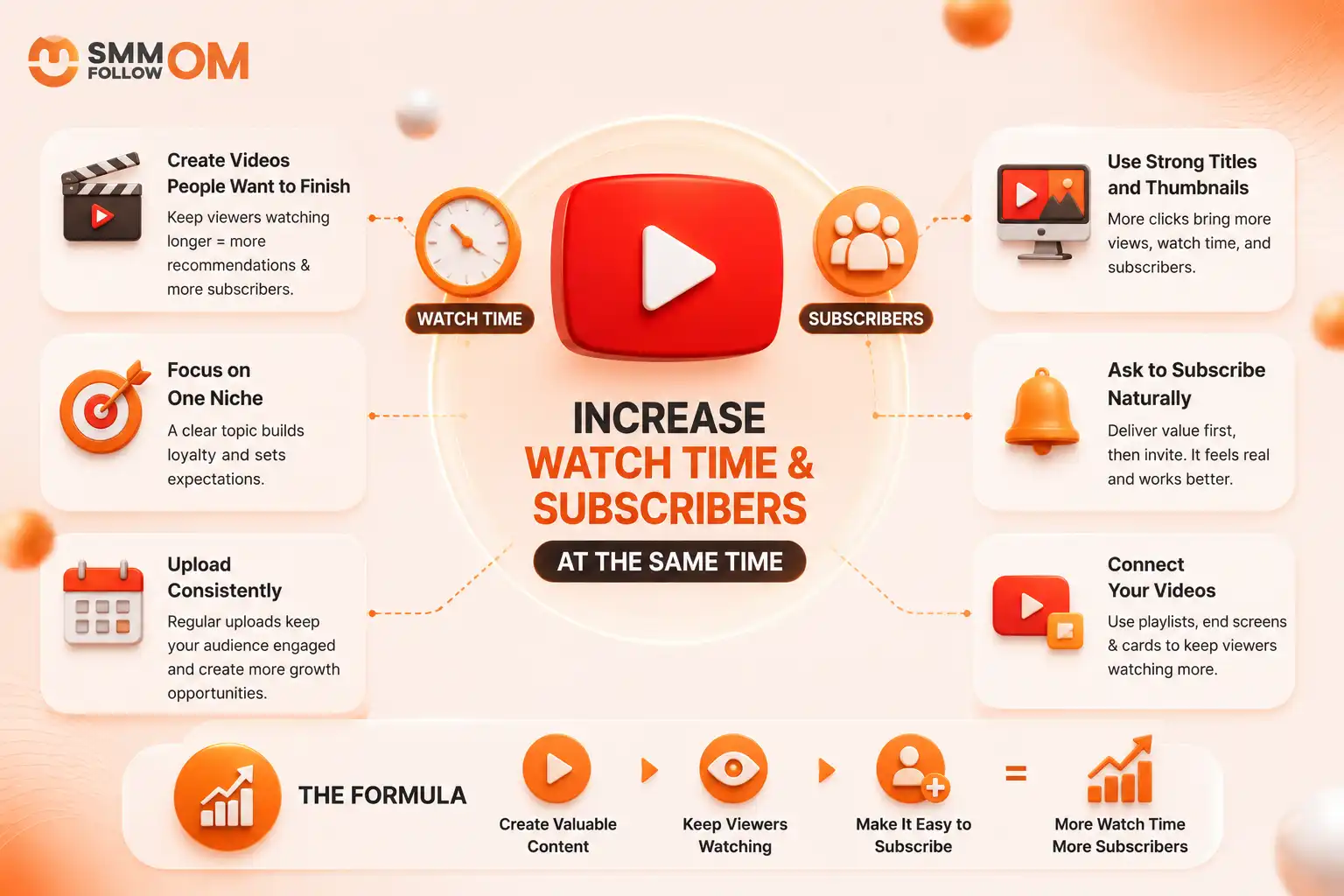
Create Videos People Want to Finish
The longer people watch your videos, the better they perform in YouTube's recommendations. More exposure means more viewers, and more viewers often turn into subscribers.
Focus on One Niche
People are more likely to subscribe when they know what to expect from your channel. Sticking to one topic helps build a loyal audience that keeps coming back for more.
Upload Consistently
A regular upload schedule keeps your audience engaged and gives YouTube more content to recommend. More videos also create more opportunities to earn watch time and attract new subscribers.
Use Strong Titles and Thumbnails
An eye-catching thumbnail and a clear title encourage more people to click on your videos. More clicks lead to more watch time, and if viewers enjoy the content, they're more likely to subscribe.
Ask Viewers to Subscribe Naturally
Don't ask people to subscribe in the first few seconds. Instead, wait until you've delivered value, then invite them to subscribe if they found the video helpful. It feels more genuine and usually works better.
Connect Your Videos
Use playlists, end screens, and video cards to guide viewers to another video instead of letting them leave your channel. This increases your total watch time while giving viewers more chances to subscribe.
The formula is to create valuable content, keep viewers watching, and make it easy for them to discover your next video.
Why Does YouTube Watch Time Go Down?
YouTube watch time goes down for reasons like poor content quality or an algorithm that isn’t working properly.
Yes, seeing your watch time drop can be frustrating, but in most cases, it's completely normal. A decrease doesn't always mean something is wrong with your channel. YouTube regularly updates watch-hour data, removes ineligible hours, and counts only eligible public watch time toward monetization.
Some of the most common reasons include:
- Public watch hours expire after 12 months.
- You deleted a public video.
- You changed a video to private or unlisted.
- YouTube removed invalid traffic.
- A video was removed due to policy or copyright issues.
The important thing to remember is that small fluctuations are normal. As long as you're consistently publishing content and attracting real viewers, temporary drops in watch time are usually nothing to worry about.
Why Do YouTube Subscribers Go Down?
Losing subscribers is completely normal, and it happens to channels of every size. A drop in subscribers doesn't always mean you've done something wrong. It mainly happens because:
- People unsubscribe.
- YouTube removes spam accounts.
- A viral video attracted the wrong audience.
- You're posting different content.
- Inactive accounts are cleaned up.
A small drop in subscribers is nothing to worry about. In fact, losing inactive or uninterested subscribers can be healthy because it leaves you with an audience that genuinely wants to watch your content.
Conclusion
At the end of the day, YouTube watch time is all about keeping viewers engaged. The longer people watch your videos, the more likely YouTube is to recommend them to others.
If your goal is monetization, focus on watch time first. Not only is it required for the YouTube Partner Program, but higher watch time also naturally leads to more subscribers.
Frequently asked questions
Does a longer video always mean more watch time?
Not necessarily. A longer video only helps if people actually watch it. If retention is low, longer videos can actually hurt performance.
Can small channels get high watch time?
Yes. Even small channels can grow fast if their videos hold attention and perform well in YouTube recommendations.
What type of videos increase watch time the most?
Tutorials, guides, storytelling content, and evergreen videos usually perform best because they keep viewers watching longer.
Can I grow subscribers without focusing on watch time?
Yes, but it's much more difficult. You can gain subscribers through viral Shorts, search traffic, or a single popular video. However, if viewers don't spend time watching your content, YouTube has fewer reasons to recommend your videos to a wider audience.
Does watch time reset every year?
No, your channel's total watch time never resets. However, if you're working toward YouTube Partner Program eligibility, YouTube only counts public watch hours earned over the past 365 days. As time passes, older watch hours fall outside that rolling one-year period and no longer count toward the monetization requirement.
Which metric does the YouTube algorithm prioritize more?
The YouTube algorithm doesn't prioritize a single metric over all others. Instead, it evaluates several performance signals together, including watch time, audience retention, click-through rate, and viewer satisfaction.
Can a YouTube SMM panel help with watch time?
Not directly. A YouTube SMM panel mostly delivers views, likes, and subscribers. It cannot control how long someone stays on your video, and that part still depends on your content. Use it for the initial push, then let retention do the rest.
Share this on social media




Recently Posted Blogs
24OCT2026
How to Increase Likes on Facebook: 12 Practical Ways
This guide explains 12 practical ways to increase Facebook likes in 2026, including creating original content, analyzing audience preferences, testing Reels, improving captions, posting at suitable times, and collaborating with relevant partners. It also covers paid promotion, purchased likes, performance tracking, and engagement analysis to help businesses improve visibility and understand what resonates with their audiences.
Read More
22OCT2026
How to Start an SMM Reseller Business in Bangladesh?
To start an SMM reseller business in Bangladesh, you buy social media services from a supplier panel at reseller rates, resell them to local customers at your own price in BDT, and keep the difference.
Read More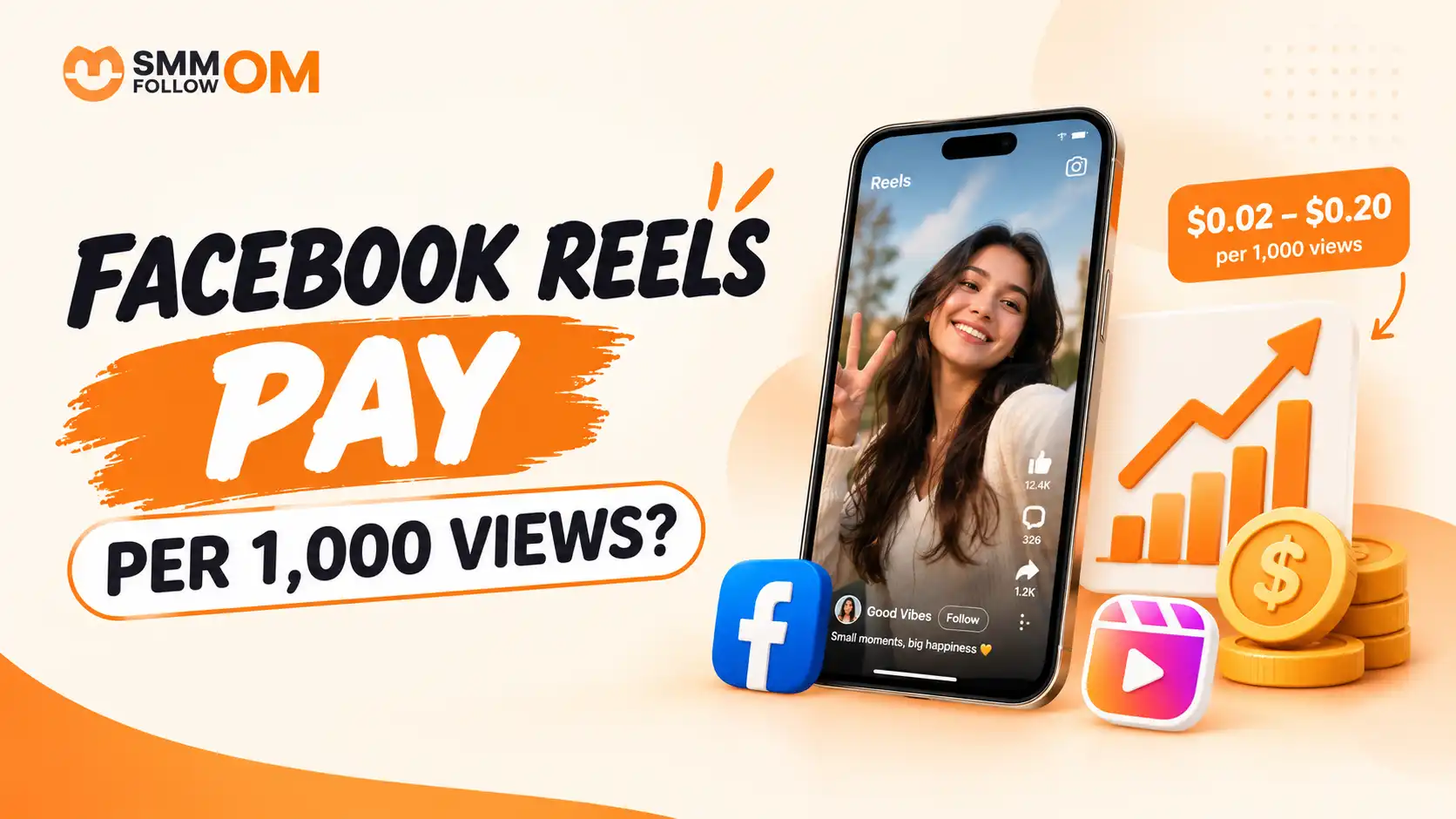
19OCT2026
How Much Does Facebook Reels Pay Per 1,000 Views?
You can earn $0.02 to $0.20 per 1,000 views, with many estimates closer to $0.05 to $0.10 per 1,000 Reel views. Numbers above $1 per 1,000 views almost always come from longer videos or a US finance-style audience, not from ordinary Reels. The variation depends on your niche and country. Also, higher numbers may mix Reels earnings with longer-video ad earnings, so they aren't always a good estimate for Reels alone.
Read More